The Score Says You Slept Badly. Now You Feel Terrible.
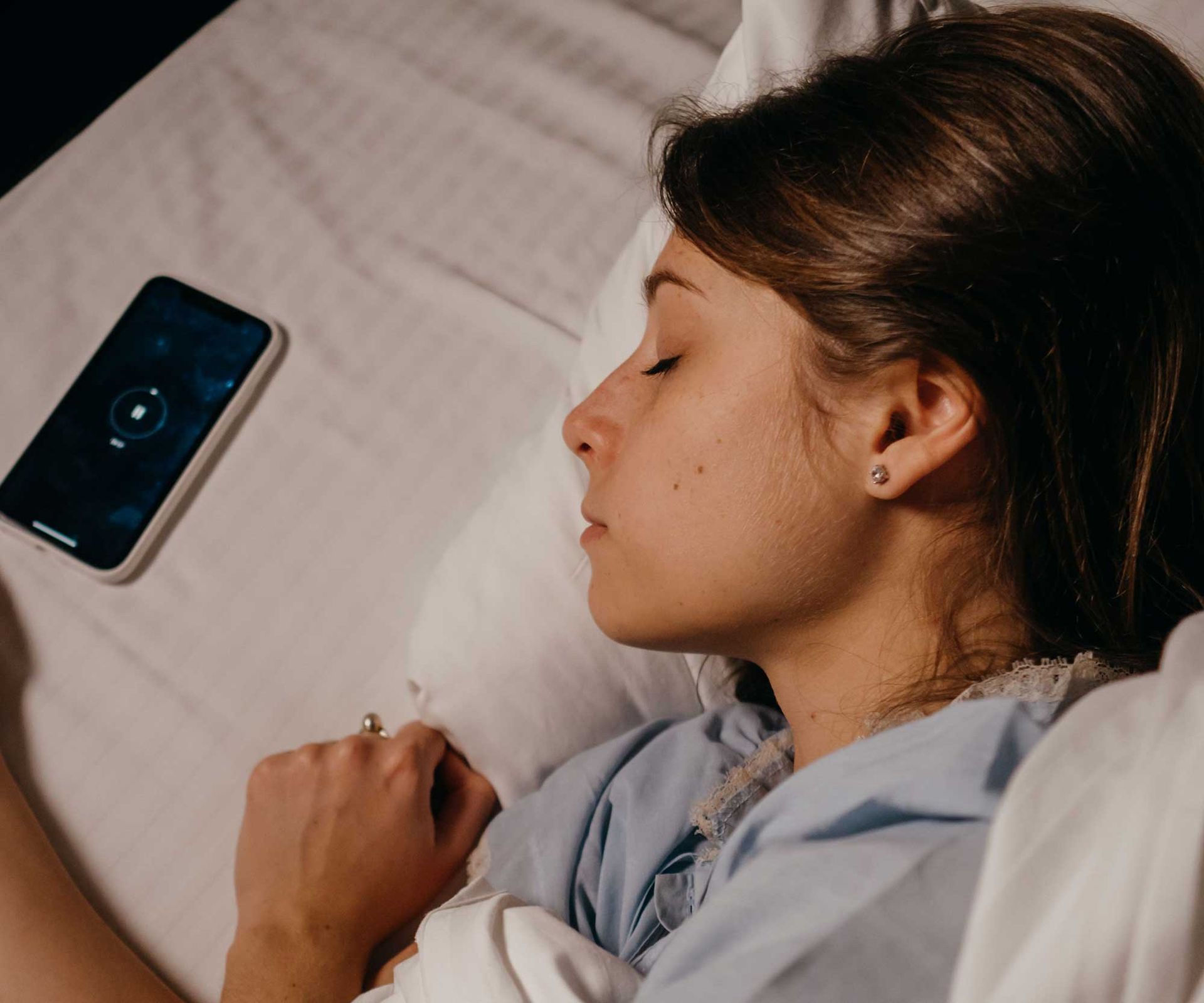
You wake up feeling fine. Then you check your phone, see a sleep score of 62, and suddenly the day feels heavier. By ten o'clock you are convinced you are exhausted.
Sleep researchers have a name for this. In a 2017 paper, a group of clinicians described patients who were so focused on improving their tracker data that the pursuit itself was damaging their sleep. They called it orthosomnia. The tracker was not the cure. It had become part of the problem.
How the Loop Forms
Sleep is one of the few things that gets worse the harder you try. Effort raises arousal, and arousal is the opposite of what falling asleep requires.
A tracker can quietly turn rest into a performance. The pattern usually goes something like this:
- You start tracking to understand your sleep better
- A low score bothers you, so you decide to fix it
- You go to bed earlier and spend more time lying awake
- Lying awake in bed teaches your brain to associate bed with frustration
- You check the tracker in the morning, feel worse, and try harder that night
Spending more time in bed to catch more sleep is one of the most common ways people accidentally create insomnia. Sleep specialists often do the reverse and shorten time in bed to rebuild the association between bed and sleep.
Your Score Is an Estimate, Not a Measurement
This matters more than most people realize. A clinical sleep study measures brain activity, eye movement, muscle tone, breathing, and oxygen levels. A wrist device measures movement and heart rate, then makes an educated guess about the rest.
Consumer trackers are generally reasonable at estimating how long you were asleep. They are much less reliable at telling you how much deep or REM sleep you got. That number on your screen is an algorithm's interpretation, and different devices will give you different answers about the same night.
So when your tracker says you got 38 minutes of deep sleep, the honest reading is closer to "probably not a lot" than to a precise fact about your brain.
Believing You Slept Badly Is Its Own Problem
There is a strange finding worth knowing about. In research on what has been called placebo sleep, participants were told they had gotten either good or poor quality sleep the night before, based on information they believed came from equipment. Those told they slept poorly performed worse on thinking and attention tasks. The reports had little to do with how they had actually slept.
In other words, the belief did real work. A number that tells you your night was bad can create some of the fog you then blame on the night.
Using a Tracker Without Letting It Use You
None of this means throwing the device in a drawer. Trackers can genuinely help people notice patterns they would otherwise miss, like how late alcohol or a 9 p.m. workout affects their night. The fix is changing how you read the data.
- Look at weekly and monthly trends instead of grading individual nights
- Do not check the app first thing in the morning, and see how you feel before you see a number
- Ignore the stage breakdown and pay attention to total sleep time and consistency
- Take a week off from tracking now and then to check whether the data is helping or feeding worry
- Trust your own experience over the score when the two disagree
The old advice still does most of the heavy lifting. Consistent wake time, morning daylight, a cool dark room, and no screens or caffeine late in the day will do more for you than any dashboard.
When It Is Worth Seeing a Doctor
A tracker cannot diagnose anything. Some sleep problems have medical causes, and those deserve real attention.
Talk with your doctor if you snore heavily, wake up gasping, feel exhausted even after a full night, fall asleep during the day, or have trouble sleeping most nights for more than a month. Conditions like sleep apnea and chronic insomnia are treatable, and treatment tends to work well once someone actually gets evaluated.
Many health plans include coverage for sleep evaluations and behavioral treatment for insomnia, though the details vary by plan. Some also include wellness programs that touch on sleep.
If you are not sure what your plan covers, give our office a call. We are happy to help you find out before you need it.